


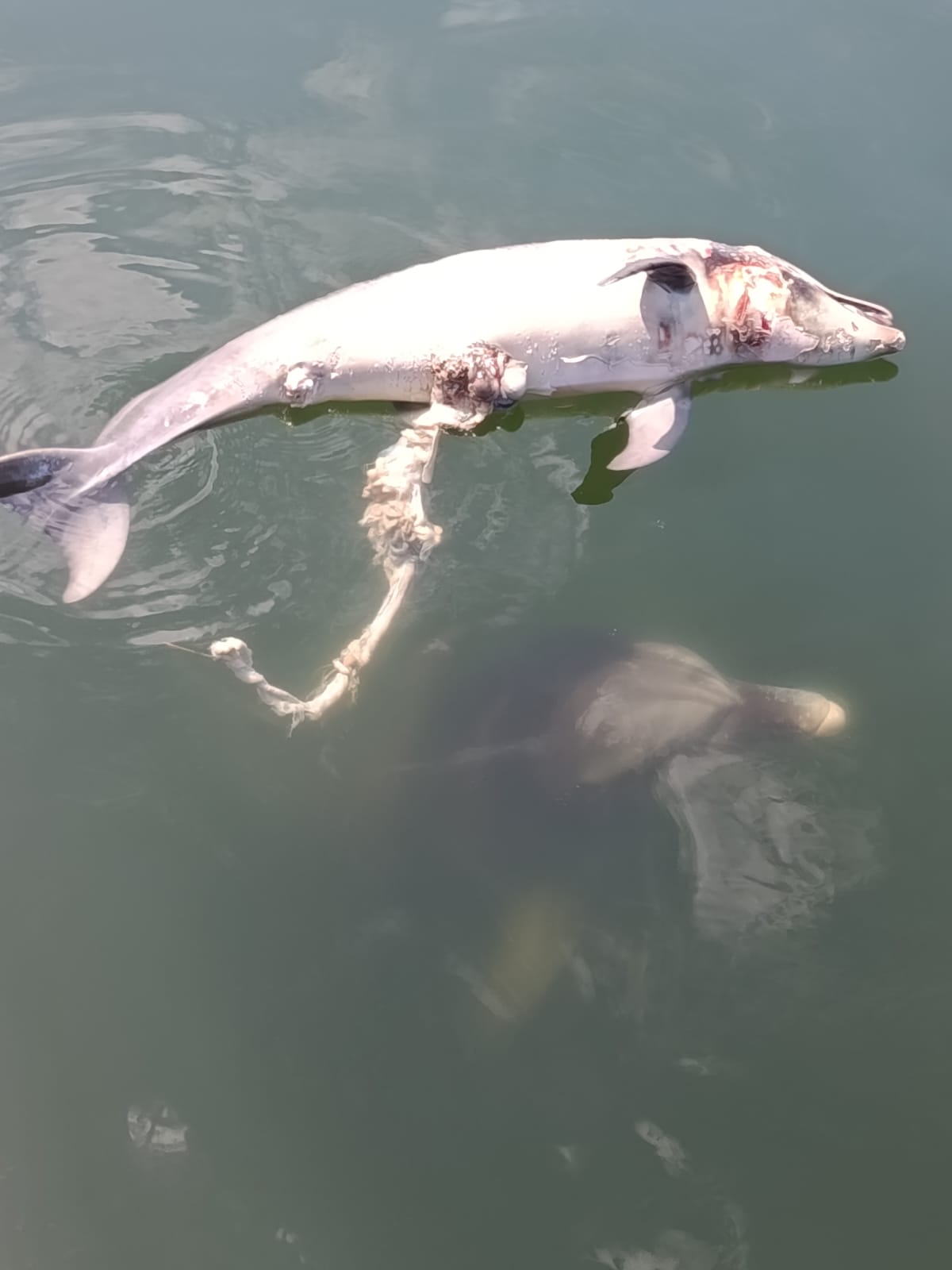
Over the past few days, the Amvrakikos Gulf has become the setting of an exceptionally rare, emotional, and sensitive wildlife incident. A bottlenose dolphin mother (Tursiops truncatus) has been observed remaining beside her dead calf, accompanying it while displaying intense protective and mourning behaviour
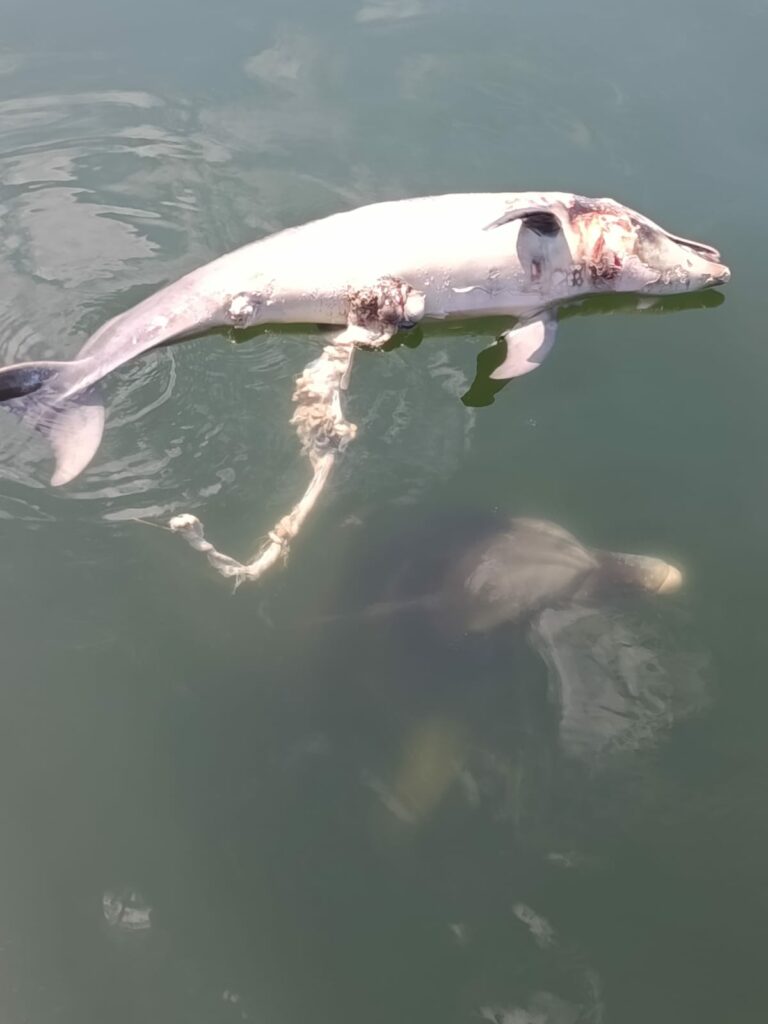
According to reports from maritime professionals in the Amvrakikos Gulf region, as well as collaborators with the Marine Mammal Monitoring Unit of the Department of Ichthyology and Aquatic Environment at the University of Thessaly, such as Mr. Yiannis Giovanos of Amvrakikos Cruises, any human approach causes intense stress to the bottlenose dolphin’s mother, who tries to keep her calf away from people and boats.
The public is urgently requested:
- not to approach the dolphin under any circumstances,
- to maintain a large safety distance,
- and to avoid any disturbance in the surrounding marine area.
- This appeal applies to:
recreational vessels,
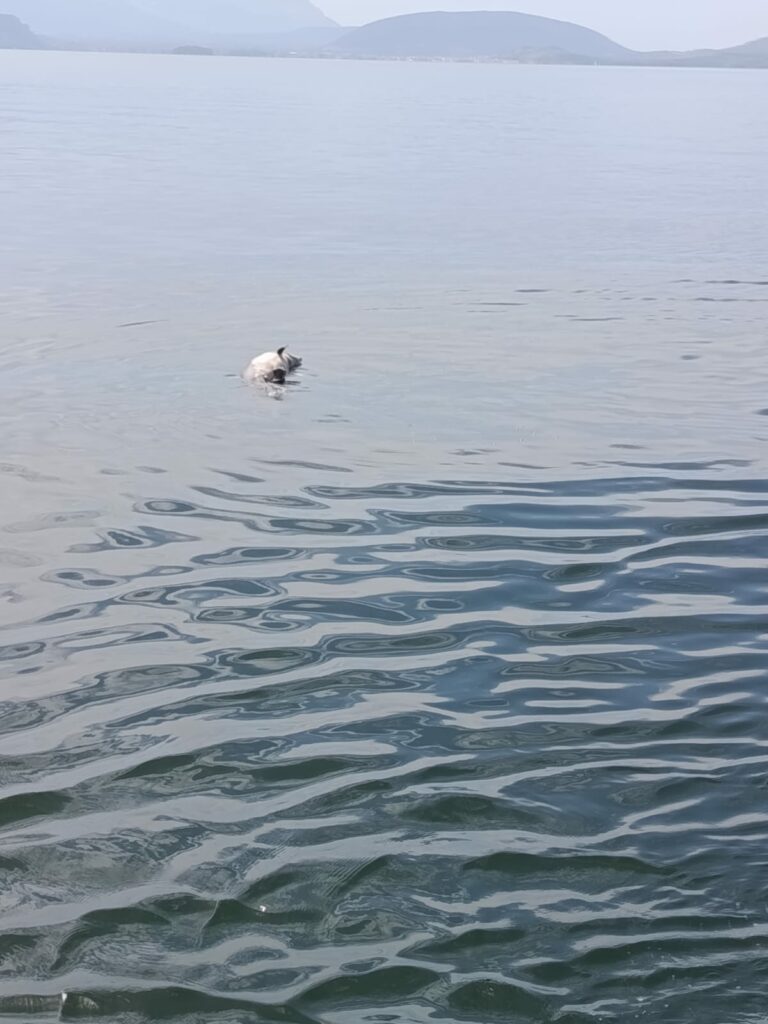
citizens and visitors,
- fishers,
- and all marine activities operating in the area.
- Human disturbance may:
- seriously affect the animal’s natural grieving process,
cause extreme stress,
trigger unpredictable or aggressive behaviour,
and lead to legal consequences, as marine mammals are strictly protected under international, European, and national legislation.
The bottlenose dolphin population of the Amvrakikos Gulf is considered one of the most important and unique populations in the Mediterranean. It is a relatively isolated resident population of high ecological value for the marine biodiversity of Greece and the Eastern Mediterranean. The Amvrakikos Gulf hosts one of the most significant coastal bottlenose dolphin communities in Greece and constitutes a protected ecosystem of exceptional biodiversity importance for marine mammals.
Furthermore, avoiding close approach is also necessary for human safety reasons, as dolphins experiencing severe stress or displaying protective behaviour may react unpredictably to the presence of people or vessels.
Mourning behaviour in cetaceans is a documented and highly complex social and biological phenomenon that has been recorded internationally in several dolphin and whale species. In many cases, dolphin and whale mothers have been observed remaining beside their dead calves for days, weeks, or even months, carrying them or staying close before eventually abandoning them.
According to the data currently available, this is likely the first documented record of cetacean mourning behaviour in Greece.
For this reason, beyond scientifically monitoring the incident, ARION – Research and Rescue Centre for Cetaceans is already informing international organisations and intergovernmental conventions related to the protection of marine mammals and marine biodiversity.
At the same time, any human-induced disturbance may constitute a criminal offense under international, European, and Greek legislation. International scientific literature and marine mammal protection bodies also indicate that in such situations the animal may display aggressive reactions towards human presence.
Respecting the animal’s peace and this natural process is an act of culture, empathy, and meaningful wildlife protection.
Photos / Videos:
Giannis Giovanos / Amvrakikos Cruises


